
Understanding Aircon Modes: What Do They Mean and When To Use Them?
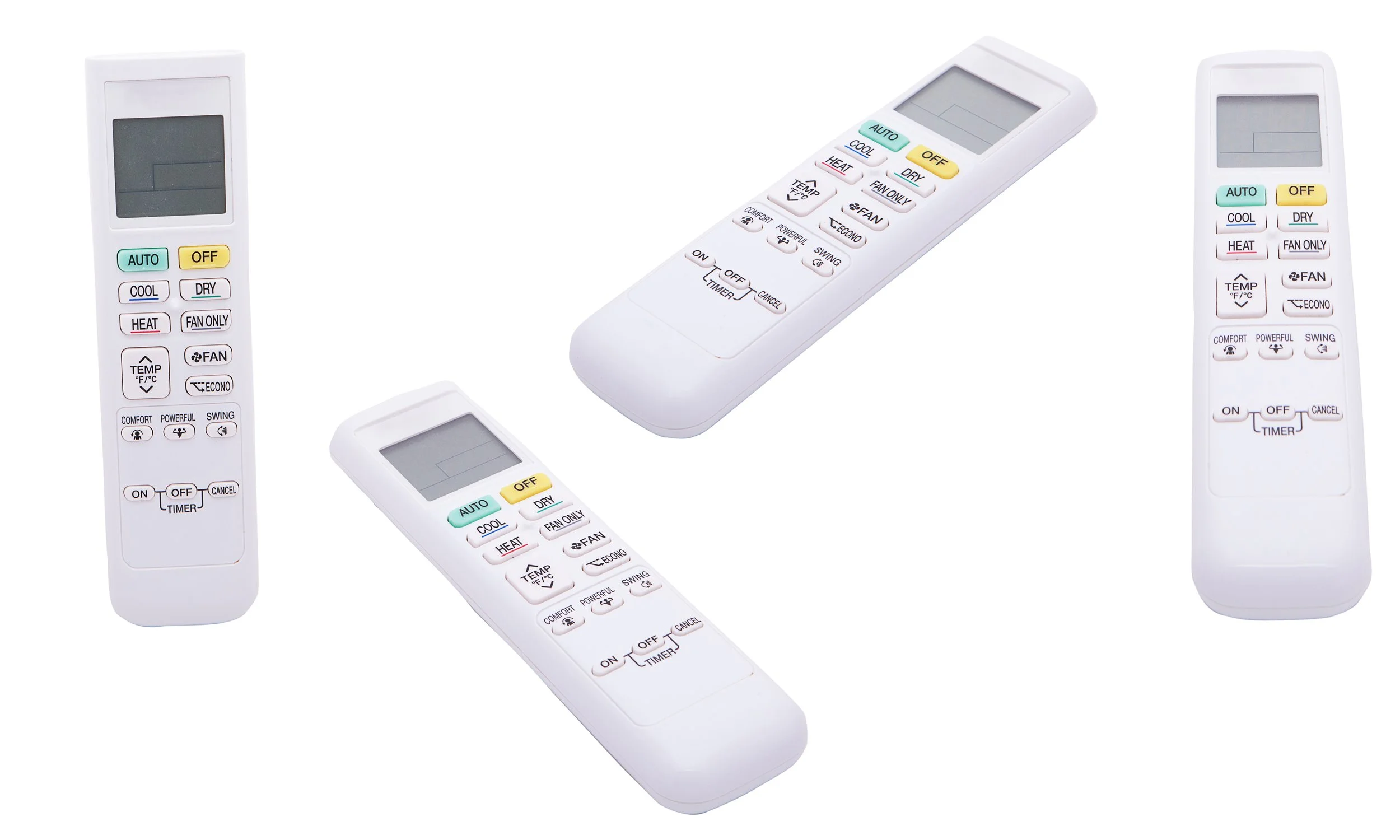
Ever get stuck wondering about the purposes of different aircon modes?
Modern air conditioners come with multiple operating modes designed to improve comfort, energy efficiency, and air quality. Cool, dry, fan, and auto, each serve different functions and scenarios.
Understanding these modes helps optimize performance, reduce electricity bills, and extend the lifespan of the unit. To achieve the best results, you need to select the appropriate mode based on your environment and needs, especially in Singapore or other regions with high temperature and humidity.
This guide explains the most common AC modes and how to use them effectively.
1. Cool Mode ❄️
Cool mode is the most common option, and removes heat from the room and works to cool the air quickly, lowering the temperature to the set level. It is both effective and efficient, but consumes the most energy as it relies on the compressor (high energy consumption) to constantly blow out cool air.
Best use cases:
Hot weather
Want the room to be cold fast
Available On: All Brands
2. Dry Mode (Dehumidifier Mode) ☀️
Dry mode removes excess humidity from the environment without significantly lowering room temperature. Dry mode is a healthy choice, as it helps control indoor moisture levels and improves air quality. This is advisable to prevent mold and mildew.
This mode is a great option for maintaining comfort and health, especially in Singapore’s humid climate or during monsoon seasons. It also offers lower energy consumption.
Best use cases:
High humidity conditions (After rain, at night, etc.)
Comfortable room temperature beforehand
Available On: All Brands
3. Fan Mode 🍃
Fan mode improves air circulation and the best option for energy-saving, as it allows the air conditioner to circulate air without cooling or dehumidifying.
The fan inside the aircon is responsible for moving the air throughout the room, and the compressor does not operate in this mode. Air will be evenly distributed, but temperature and humidity will not change.
Best use cases:
Mild, comfortable weather
Enhance airflow without an actual fan
Available on: All Brands
4. Auto Mode ⚙️
Auto mode allows the air conditioner to automatically switch between cool, fan, or dry modes based on room temperature and settings. This is a smart choice for those seeking convenience and efficiency, intelligently managing your comfort.
Contrary to popular belief, it is more energy-saving than the regular cool mode as it does not put high, continuous pressure on your air conditioner to cool the room constantly.
Best use cases:
Maintaining consistent comfort
Unpredictable weather conditions
Unsure of what mode to use
Available on: All Brands
5. Eco Mode 🌱
Eco mode works similarly to Cool mode, but limits compressor power to reduce electricity usage. This results in slower cooling, but less energy consumption and costs.
Different air conditioner brands have different names for their eco mode.
Best use cases:
Hot weather
Okay with slower cooling
For energy-saving
Available on:
Daikin: Econo
Panasonic: ECO / ECO AI
LG: Energy Ctrl / Active Energy Control
Samsung: ECO Mode
Mitsubishi: ECONO COOL
6. Turbo Mode 🏎️
Turbo mode works similarly to cool mode as well, but maximises cooling power for a quick temperature drop. This mode puts strain on the compressor and has the highest energy consumption, but cools to the room in the least amount of time.
Like Eco mode, different air conditioner brands have different names for this particular mode.
Best use cases:
Very hot weather
Want the room to be cool as fast as possible
Available on:
Daikin: Powerful
Mitsubishi: Power / Hi Power
Panasonic: Powerful
LG: Jet Cool
Samsung: Fast Cool
7. Sleep/ Night Mode 🌙
Sleep mode is designed to provide a comfortable sleeping environment while reducing energy consumption. The air conditioner gradually adjusts the set temperature throughout the night to match the body’s natural cooling cycle, while also lowering fan noise for quieter operation.
This mode is energy-efficient as it avoids overcooling and reduces compressor workload during extended overnight use.
Best use cases:
Sleeping overnight
Reducing electricity usage at night
Sensitivity to cold temperatures
Light sleepers who prefer quieter operation
Available on: All Brands
8. Smart / AI Mode 🤖
Smart (or AI) mode, is a smarter alternative to Auto mode. It uses sensors and built-in algorithms to analyze room conditions, usage patterns, and occupancy to fine-tune temperature, airflow, and mode selection to balance comfort and efficiency without manual adjustment.
This mode optimizes operation instead of running at fixed settings, thus is more energy-efficient.
Best use cases:
Maintaining consistent comfort
Unpredictable weather conditions
Unsure of what mode to use
Available on:
Newer models of Daikin, Panasonic, LG, Samsung, and Mitsubishi Electric.
Conclusion
Understanding air conditioner modes allows you to cool your space more efficiently while reducing energy consumption and improving overall comfort. By selecting the right mode—whether Cool for hot days, Dry for humid conditions, Sleep for nighttime comfort, or Smart and Auto modes for hands-free efficiency—you can maximize performance and extend the lifespan of your air conditioner.
Choosing the correct air conditioner mode based on your environment and usage habits enhances indoor comfort, and helps lower electricity costs, making your air conditioning system smarter, more efficient, and more sustainable.