
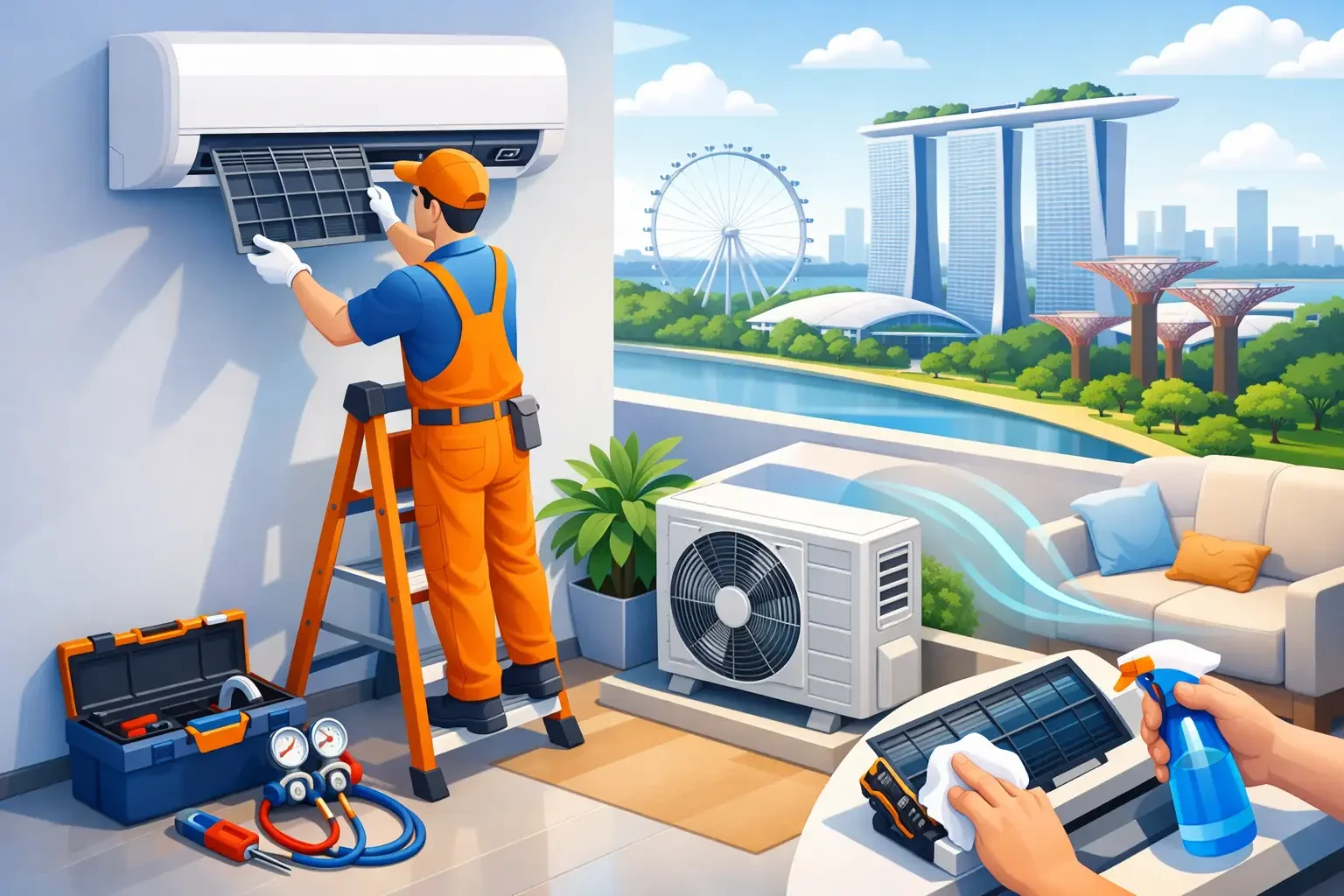
Aircon Servicing for Cooler, Cleaner Homes
When your bedroom takes twice as long to cool at night, or the living room unit starts dripping just before guests arrive, aircon servicing stops being a routine task and becomes urgent. Singapore’s heat and humidity put every air-conditioning system to work for long hours. A unit can still switch on and blow air while quietly becoming less efficient, less clean and more likely to fail at the worst moment.
Regular care is not about paying for work you cannot see. It is about keeping cooling dependable, preventing avoidable water leaks and catching small faults before they become a repair or replacement decision. The right service should also be easy to arrange: no phone tag, no uncertain arrival window and no need to prepare cash at the door.
Why regular aircon servicing matters in Singapore
An air conditioner does more than cool a room. It draws warm indoor air through filters and coils, removes moisture and sends cooler air back into your home or workplace. Over time, dust, moisture and everyday use affect that process.
A clogged filter restricts airflow. Dust on the evaporator coil reduces heat transfer. A blocked drainage line can cause water to back up and leak from the indoor unit. These issues often build gradually, so many people only notice them once the room feels stuffy, electricity bills rise or a puddle appears beneath the fan coil.
For homes that use air conditioning most nights, a service every three to four months is a sensible starting point. A household with several units running daily, pets, young children, renovation dust or allergy concerns may benefit from more frequent attention. For a lightly used guest room, the interval can be longer. Usage, not a fixed calendar rule, should guide the decision.
Commercial spaces need the same practical approach. Offices, shops and rental properties depend on consistent comfort, and an unexpected fault can disrupt staff, customers or tenants. Scheduled maintenance makes it easier to plan access and reduce the chance of an emergency call-out.
What a proper aircon servicing visit should cover
A useful service is thorough without creating unnecessary disruption. The technician should assess the system’s actual condition, clean the parts that affect daily performance and identify anything that needs attention. Not every visit requires intensive chemical cleaning or part replacement. Those recommendations should follow visible symptoms or clear technical findings, not a one-size-fits-all sales script.
Cleaning where performance is won or lost
Standard servicing generally includes cleaning the filters, checking and cleaning accessible fan coil components, inspecting the drain pan and drainage line, and clearing accumulated dirt that affects airflow. Filters matter because they catch dust before it reaches deeper components. Left too long, they can make the unit work harder for less cooling.
The outdoor condenser also deserves attention. It releases heat from your home to the outside air, so debris around the unit or dirty condenser fins can reduce efficiency. Access and system layout vary, particularly in flats and commercial buildings, but a technician should explain what can be safely cleaned during the appointment.
Checks that help prevent a breakdown
Cleaning alone is not the full picture. A technician should check for unusual noise, weak airflow, water drainage problems, signs of refrigerant issues and obvious wear in electrical connections or controls. If a unit is not cooling properly, diagnosis should come before a recommendation.
Low refrigerant, for example, is not normally a routine top-up item. Refrigerant does not simply get used up. If the level is genuinely low, there may be a leak that needs to be located and repaired. Topping it up without addressing the cause can offer short-term relief while leaving the underlying problem in place.
A clean finish and clear next step
Aircon work happens inside your home or business, often above beds, sofas and workstations. Protective measures, careful handling and a tidy work area are part of professional service, not an optional extra. Before leaving, the technician should clearly explain what was done, whether any issue was found and what action, if any, is worth considering next.
Signs you should book aircon servicing sooner
Do not wait for a full shutdown if your system is showing early warning signs. Poor cooling can mean dirty components, restricted airflow or a fault that needs diagnosis. Dripping water may point to drainage trouble. A musty smell can indicate moisture and dirt within the indoor unit, while rattling, grinding or repeated clicking should be investigated rather than ignored.
Higher-than-usual electricity use can also be a clue, especially if your household routine has not changed. An overworked air conditioner may run longer to reach the set temperature. Servicing cannot fix every energy issue, particularly with an ageing or undersized system, but it can reveal whether maintenance is part of the answer.
If a unit repeatedly trips the electrical supply, stops and starts unpredictably, or shows an error code, book troubleshooting rather than a basic service. These symptoms can involve electrical components, sensors, drainage pumps or other faults that need targeted testing.
Aircon servicing Singapore: choosing convenience without compromise
Booking maintenance should not take longer than the appointment itself. Yet many customers still deal with missed calls, vague confirmations, unclear charges and last-minute requests for cash. A reliable service process removes those friction points before a technician arrives.
Look for real-time appointment selection, instant confirmation and automatic reminders by SMS or email. These details make a difference for busy families, tenants coordinating with landlords and business owners arranging access around operating hours. Cashless card payment also means one less errand before the visit, while transparent prices help you understand the cost upfront.
Convenience does not mean rushing the technical work. It means the administrative side is organised, so the technician can focus on the system and you can get on with your day. Xool Aircon Experts combines experienced on-site specialists with online booking that confirms an appointment in under 60 seconds, helping customers arrange care in just a few clicks.
When servicing is not enough
There is a point where repeated maintenance becomes less economical than repair or replacement. If one unit leaks again soon after drainage work, has recurring cooling failures, needs frequent component repairs or is many years into heavy use, ask for an honest assessment of the options.
Repair is often the sensible choice when the fault is isolated and the rest of the system is performing well. Replacement may be worth considering when repair costs are mounting, energy performance has declined or parts are difficult to source. The best decision depends on the system’s age, condition, capacity and how the space is used.
For landlords, this is also a record-keeping issue. Scheduled servicing and clear service documentation can make it easier to respond fairly when a tenant reports poor cooling or a leak. For homeowners, it provides a more predictable way to care for equipment that is used almost every day of the year.
Make maintenance part of your comfort routine
Between professional visits, use the system thoughtfully. Clean accessible filters according to the manufacturer’s guidance, keep doors and windows closed while cooling a room, and avoid setting an extremely low temperature in the hope of faster cooling. Most systems cool at their designed rate; setting a realistic temperature simply helps them cycle more efficiently once the room is comfortable.
Pay attention to changes rather than waiting for failure. A new smell, slower cooling or occasional dripping is easier to investigate when it first appears. And when it is time to book, choose an appointment you can see, confirm and pay for online, with clear expectations for arrival and workmanship.
A well-maintained air conditioner should fade into the background: cool rooms, dry floors and no surprise breakdown just as everyone comes home. Schedule care before discomfort forces the issue, and keep your cool, longer.
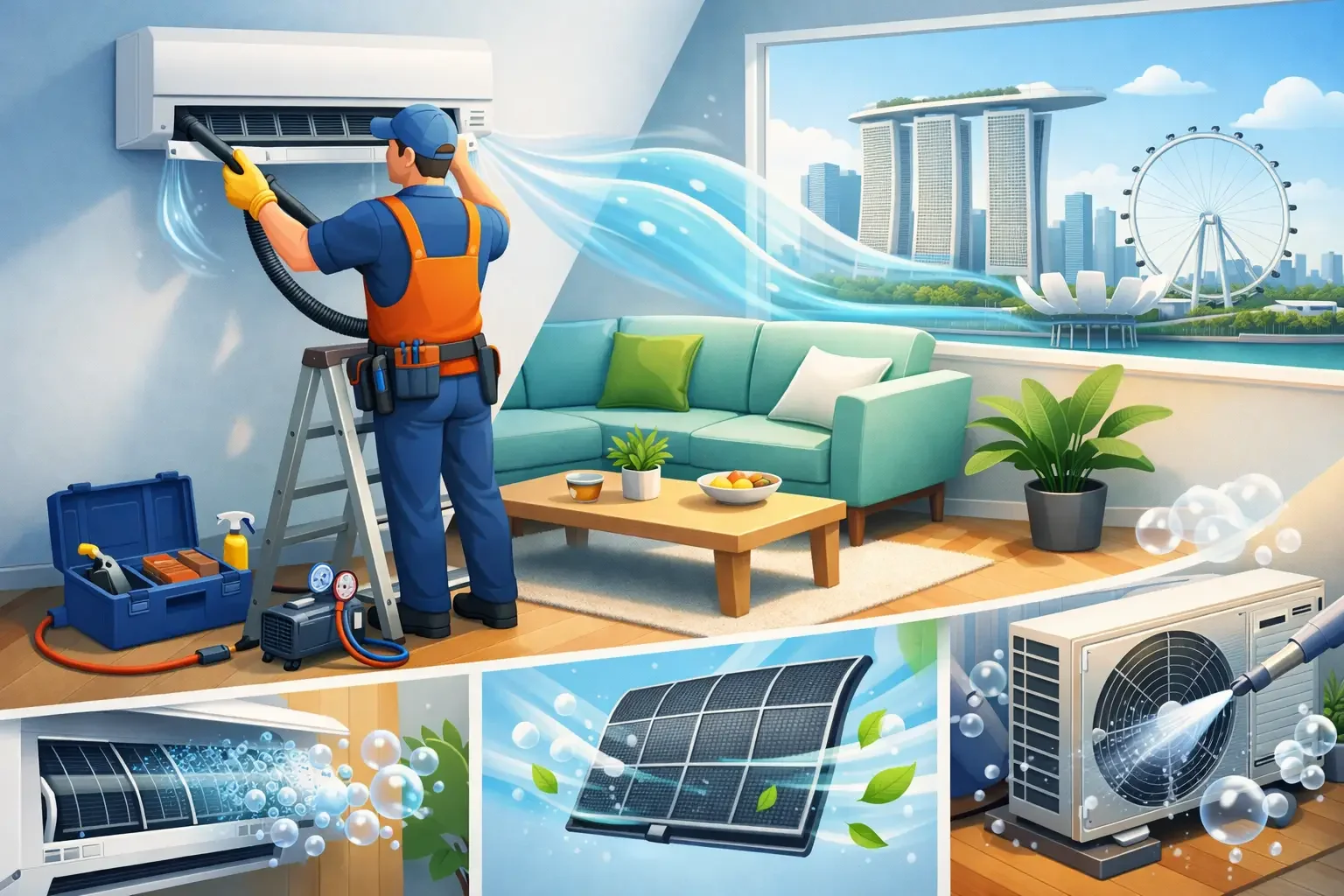
Aircon Servicing Singapore for Cooler, Cleaner Homes
When your bedroom takes twice as long to cool at night, or the living room unit starts dripping just before guests arrive, aircon servicing Singapore stops being a routine task and becomes urgent. Singapore’s heat and humidity put every air-conditioning system to work for long hours. A unit can still switch on and blow air while quietly becoming less efficient, less clean and more likely to fail at the worst moment.
Regular care is not about paying for work you cannot see. It is about keeping cooling dependable, preventing avoidable water leaks and catching small faults before they become a repair or replacement decision. The right service should also be easy to arrange: no phone tag, no uncertain arrival window and no need to prepare cash at the door.
Why regular aircon servicing matters in Singapore
An air conditioner does more than cool a room. It draws warm indoor air through filters and coils, removes moisture and sends cooler air back into your home or workplace. Over time, dust, moisture and everyday use affect that process.
A clogged filter restricts airflow. Dust on the evaporator coil reduces heat transfer. A blocked drainage line can cause water to back up and leak from the indoor unit. These issues often build gradually, so many people only notice them once the room feels stuffy, electricity bills rise or a puddle appears beneath the fan coil.
For homes that use air conditioning most nights, a service every three to four months is a sensible starting point. A household with several units running daily, pets, young children, renovation dust or allergy concerns may benefit from more frequent attention. For a lightly used guest room, the interval can be longer. Usage, not a fixed calendar rule, should guide the decision.
Commercial spaces need the same practical approach. Offices, shops and rental properties depend on consistent comfort, and an unexpected fault can disrupt staff, customers or tenants. Scheduled maintenance makes it easier to plan access and reduce the chance of an emergency call-out.
What a proper aircon servicing visit should cover
A useful service is thorough without creating unnecessary disruption. The technician should assess the system’s actual condition, clean the parts that affect daily performance and identify anything that needs attention. Not every visit requires intensive chemical cleaning or part replacement. Those recommendations should follow visible symptoms or clear technical findings, not a one-size-fits-all sales script.
Cleaning where performance is won or lost
Standard servicing generally includes cleaning the filters, checking and cleaning accessible fan coil components, inspecting the drain pan and drainage line, and clearing accumulated dirt that affects airflow. Filters matter because they catch dust before it reaches deeper components. Left too long, they can make the unit work harder for less cooling.
The outdoor condenser also deserves attention. It releases heat from your home to the outside air, so debris around the unit or dirty condenser fins can reduce efficiency. Access and system layout vary, particularly in flats and commercial buildings, but a technician should explain what can be safely cleaned during the appointment.</p>
Checks that help prevent a breakdown
Cleaning alone is not the full picture. A technician should check for unusual noise, weak airflow, water drainage problems, signs of refrigerant issues and obvious wear in electrical connections or controls. If a unit is not cooling properly, diagnosis should come before a recommendation.
Low refrigerant, for example, is not normally a routine top-up item. Refrigerant does not simply get used up. If the level is genuinely low, there may be a leak that needs to be located and repaired. Topping it up without addressing the cause can offer short-term relief while leaving the underlying problem in place.
A clean finish and clear next step
Aircon work happens inside your home or business, often above beds, sofas and workstations. Protective measures, careful handling and a tidy work area are part of professional service, not an optional extra. Before leaving, the technician should clearly explain what was done, whether any issue was found and what action, if any, is worth considering next.
Signs you should book aircon servicing sooner
Do not wait for a full shutdown if your system is showing early warning signs. Poor cooling can mean dirty components, restricted airflow or a fault that needs diagnosis. Dripping water may point to drainage trouble. A musty smell can indicate moisture and dirt within the indoor unit, while rattling, grinding or repeated clicking should be investigated rather than ignored.
Higher-than-usual electricity use can also be a clue, especially if your household routine has not changed. An overworked air conditioner may run longer to reach the set temperature. Servicing cannot fix every energy issue, particularly with an ageing or undersized system, but it can reveal whether maintenance is part of the answer.
If a unit repeatedly trips the electrical supply, stops and starts unpredictably, or shows an error code, book troubleshooting rather than a basic service. These symptoms can involve electrical components, sensors, drainage pumps or other faults that need targeted testing.
Aircon servicing Singapore: choosing convenience without compromise
Booking maintenance should not take longer than the appointment itself. Yet many customers still deal with missed calls, vague confirmations, unclear charges and last-minute requests for cash. A reliable service process removes those friction points before a technician arrives.
Look for real-time appointment selection, instant confirmation and automatic reminders by SMS or email. These details make a difference for busy families, tenants coordinating with landlords and business owners arranging access around operating hours. Cashless card payment also means one less errand before the visit, while transparent prices inclusive of GST help you understand the cost upfront.
Convenience does not mean rushing the technical work. It means the administrative side is organised, so the technician can focus on the system and you can get on with your day. Xool Aircon Experts combines experienced on-site specialists with online booking that confirms an appointment in under 60 seconds, helping customers arrange care in just a few clicks.
When servicing is not enough
There is a point where repeated maintenance becomes less economical than repair or replacement. If one unit leaks again soon after drainage work, has recurring cooling failures, needs frequent component repairs or is many years into heavy use, ask for an honest assessment of the options
Repair is often the sensible choice when the fault is isolated and the rest of the system is performing well. Replacement may be worth considering when repair costs are mounting, energy performance has declined or parts are difficult to source. The best decision depends on the system’s age, condition, capacity and how the space is used.
For landlords, this is also a record-keeping issue. Scheduled servicing and clear service documentation can make it easier to respond fairly when a tenant reports poor cooling or a leak. For homeowners, it provides a more predictable way to care for equipment that is used almost every day of the year.
Make maintenance part of your comfort routine
Between professional visits, use the system thoughtfully. Clean accessible filters according to the manufacturer’s guidance, keep doors and windows closed while cooling a room, and avoid setting an extremely low temperature in the hope of faster cooling. Most systems cool at their designed rate; setting a realistic temperature simply helps them cycle more efficiently once the room is comfortable.
Pay attention to changes rather than waiting for failure. A new smell, slower cooling or occasional dripping is easier to investigate when it first appears. And when it is time to book, choose a service provider that is trusted with clear expectations for arrival and workmanship.
A well-maintained air conditioner should fade into the background: cool rooms, dry floors and no surprise breakdown just as everyone comes home. Scheduled care before discomfort forces the issue, and keep your cool, longer.
Aircon Noisy: What Those Sounds Mean & How to Fix Them in Singapore Homes
That sudden rattling from your bedroom aircon at 2 AM is your air conditioning system trying to tell you something worth paying attention to. This guide breaks down exactly what different aircon noises mean, which ones you can fix yourself, and when it’s time to call a professional.
That sudden rattling from your bedroom aircon at 2 AM is your air conditioning system trying to tell you something worth paying attention to. This guide breaks down exactly what different aircon noises mean, which ones you can fix yourself, and when it’s time to call a professional.
Quick Answer: Is a Noisy Aircon Normal?
Modern split and inverter air conditioners installed in Singapore HDBs and condos are designed to run quietly. A well-maintained indoor unit should produce around 19–25 dB in a bedroom setting (similar to a whisper) and 30–35 dB in larger living areas. If your unit is suddenly louder than usual or making harsh noises, it's a sign to check up on it.
Normal sounds you can ignore:
Soft hum from the compressor motor running steadily
Gentle whooshing of air flowing through vents
Single faint click when the unit starts or stops
Slight tone changes as inverter units ramp up or down
Abnormal sounds that need attention:
Banging noises or heavy thumping
Persistent rattling noise from panels or internal components
Loud buzzing sounds from the outdoor unit
Hissing sound or whistling near pipe connections
Screeching or grinding noise from motors
Continuous clicking instead of a single start/stop click
Bubbling sound from drain lines
The simple rule: If the sound suddenly appears, gets noticeably louder, or wakes you up at night, something is wrong with your cooling system.
A quick diagnosis by Xool Aircon Experts can prevent a full breakdown during the next hot spell.
Why You Shouldn’t Ignore a Noisy Aircon
Unusual sounds from your air conditioner are often the first warning signs of wear, loose components, or electrical problems developing inside the system. What starts as a minor rattle can escalate into a complete compressor failure if left unchecked for months.
Risks of ignoring noisy aircon units:
Higher electricity bills: When motors strain or airflow is restricted, your AC system works harder and draws more power. Some Singapore homeowners see 10–20% increases in their SP Group bills from poorly maintained units.
Sudden breakdown in hot weather: A failing capacitor or worn out bearings can give up entirely during peak afternoon heat, leaving you without cooling when you need it most.
Water leaks and ceiling damage: Bubbling or gurgling sounds often indicate blocked drain lines. Ignored long enough, water backs up and overflows onto your ceiling, walls, or furniture.
Refrigerant leak risks: A hissing noise from pipe joints signals refrigerant gas escaping. Low refrigerant means reduced cooling performance, higher energy consumption, and potential compressor damage.
Electrical hazards: Buzzing from electrical components can indicate faulty electrical components, loose wiring, or a failing capacitor. If ignored, they can carry a fire risk.
Normal vs Abnormal Aircon Sounds
Not every sound your air conditioning system makes indicates a problem. The goal here is to help you distinguish between the normal operational sounds of a split-type system and the abnormal ones that warrant concern.
What’s considered normal:
Soft, steady hum from the air conditioner compressor (this is just the motor running)
Gentle whoosh of air moving through the indoor unit when the fan is on
Faint single click when the unit powers on or shuts down (relay engaging)
Subtle changes in tone as inverter units adjust compressor speed based on cooling demand
What’s considered abnormal:
Sharp, sudden sounds that weren’t there before
Grinding noise indicating metal-on-metal contact
Squealing noises from dry or worn out motor bearings
Loud, continuous humming noise rather than a soft background hum
Banging sounds from loose parts or failing internal components
Persistent clicking (multiple times) during operation
Sound level benchmarks for Singapore homes:
Quiet bedroom units: 19–25 dB (whisper level)
Typical living room units: 30–35 dB (quiet library level)
Outdoor unit at normal operation: 45–55 dB (moderate conversation level)
If your indoor unit suddenly sounds much louder than these benchmarks, or if you notice any harsh noises that weren’t present before, it’s time to investigate.
Common Noisy Aircon Sounds & What They Usually Mean
Banging & Rattling Noises
Banging describes heavy, thumping sounds, like something is being struck inside the unit. Rattling is lighter, more of a shaking or metallic vibration. Both are commonly heard from either the indoor blower assembly or the outdoor condenser.
Causes of banging in Singapore split units:
Loose fan wheel inside the indoor unit hitting the housing
Broken or loose parts inside the outdoor unit compressor (serious)
Copper refrigerant lines banging against walls inside pipe trunking
Foreign objects (leaves, small debris, lizards) stuck in the outdoor fan cage
Unbalanced compressor mounting on the bracket
Causes of rattling noise:
Loose front panel on the indoor unit not clipped properly
Loose screws on the condenser frame, common in HDB corridor or service yard installations
Aged fan motor bearings creating vibration
Outdoor unit vibrating against concrete walls or window ledges
Loose components inside the air conditioner cabinet
Safe homeowner checks:
Switch off power at the isolator before touching anything
Remove and reseat the indoor unit front cover—ensure all clips engage
Visually inspect screws on indoor unit casing; tighten any obviously loose ones
Gently clear leaves, twigs, or debris from around the outdoor unit (no deep dismantling)
Check if the outdoor unit is visibly shaking against its wall bracket
When the situation is serious: Continuous banging sounds from inside a sealed compressor often signal internal failure. The compressor motor may have loose or broken parts, and continued operation can lead to complete AC system breakdown requiring outdoor unit replacement.
Buzzing, Humming & Clicking Sounds
These are among the most common aircon noises in older units across Singapore, often related to electrical parts or motor strain.
Causes of buzzing sounds:
Constant electrical buzz from outdoor unit often indicates a failing capacitor
Loose electrical connections inside the condenser creating intermittent buzz
Dirty condenser coils making the compressor motor work harder
Vibrating electrical panel covers not secured properly
Power flow irregularities or voltage fluctuations
Causes of loud humming sounds:
Overloaded fan motor struggling to spin at normal speed
Partially jammed fan blades from debris or ice buildup
Low refrigerant causing the air conditioner compressor to strain
This is especially noticeable during hot afternoons when the system runs at maximum load
Causes of clicking sounds:
Continuous clicking (versus single click at start/stop) suggests relay or PCB issues
Control board malfunctioning and repeatedly trying to engage
Small debris hitting the indoor blower fan blades during rotation
Worn contactor points in the electrical system
What you can safely do:
Ensure the isolator switch is firmly in the ON position
Remove obvious debris from fan grilles on both indoor and outdoor units
If the MCB in your DB box trips, reset it once. But if it trips again, don’t keep resetting
What you should NOT do:
Open electrical covers on the outdoor unit
Touch capacitors (they store dangerous charge even when power is off)
Attempt to repair wiring yourself
Risks of ignoring buzzing sounds: Overheating components can cause MCB tripping, and continued operation with electrical problems carries fire risk from burnt wiring. A S$80 capacitor replacement ignored for months can lead to S$500+ in compressor damage.
Hissing, Bubbling & Gurgling Sounds
These “gas and water” sounds can indicate either refrigerant problems or drainage issues—both common in Singapore’s humid climate.
Causes of continuous hissing noise:
Refrigerant leak at flare joints where copper pipes connect
Leak at the evaporator coil or condenser coil
Damaged service valve on the outdoor unit
Poorly brazed pipe connections, especially in older units (7+ years) or rushed installations
Air escaping through gaps in ductwork (for ducted systems)
Soft, periodic hissing during operation:
Sometimes this is normal. Refrigerant expands through the expansion valve makes a slight sound
However, if accompanied by weak cooling, ice forming on pipes, or the unit cycling frequently, it signals a problem
Causes of bubbling sound or gurgling:
Clogged condensate drain pipe (very common in HDB corridors and service yards)
Water backing up in the drain pan because algae or debris blocks the outlet
Air trapped in refrigerant lines, often after improper servicing or gas top-up
DIY visual checks:
Look for water dripping down the wall beneath the indoor unit
Inspect the drain outlet on your balcony or toilet for algae buildup or blockage
Check if the condensate pipe is kinked or crushed
Avoid poking deep into drain lines if you’re not confident as you can push debris further in
Safety and legal considerations: Handling refrigerant gas requires a licensed technician in Singapore. It’s not just about skill. Improper handling is regulated. Refrigerant leaks also harm the environment and reduce your system’s cooling efficiency significantly.
Screeching, Grinding & High-Pitched Noises
These are serious mechanical sounds. If your air conditioner is making screeching, screaming, or grinding noise, the safest response is to switch off immediately.
Causes of screeching or screaming sounds:
Dry or worn out bearings in the indoor blower motor
Dry or failing bearings in the outdoor fan motor
Dangerously high compressor pressure (some units have built-in safety cut-off for this)
Worn out belt in very old units (rare in modern Singapore residential systems)
Causes of grinding noises:
Metal-on-metal contact from completely worn motor bearings
Unbalanced indoor blower wheel scraping against the housing
Misaligned loose fan wheel
Broken plastic parts scraping during rotation
The real risk of continued operation: Running an AC unit with these sounds can seize the motor, overheat the windings, or even throw broken pieces into other internal components. What might be a S$150 bearing replacement can quickly become a S$600+ motor replacement or worse.
What to do right now:
Turn off the unit using the remote control
Switch off the isolator or main power to the unit
Do not turn it back on until a technician has inspected it
Note when the noise started and what it sounds like for the technician
Indoor vs Outdoor Unit Noise in Singapore Homes
Understanding where the noise originates helps narrow down the problem. The indoor unit (fan coil) and outdoor condenser unit have different components and failure patterns.
Common indoor unit noises in Singapore homes:
Whistling from a dirty air filter or insufficient return air gap
Dripping or splashing from a blocked drain pan
Rattling from a loose front cover or unsecured panel
Clicking or chirping from the fan motor or PCB relay
Grinding from an unbalanced indoor blower
Common outdoor unit noises:
Loud buzzing from the compressor motor or capacitor
Rattling from loose grille, rusted screws, or vibrating casing
Humming during high-load afternoon operation (may be normal if not excessive)
Banging from debris inside or a loose fan blade
Aircon compressor noise that sounds strained or laboured
How Singapore building structures affect noise:
Units mounted on bedroom ledges transmit vibration directly through the wall
Corridor condensers in HDB flats can disturb neighbours
Narrow air wells in older condos create echo effects that amplify even normal sounds
Concrete walls can resonate with compressor vibration if anti-vibration mounts are missing
Simple noise isolation improvements:
Install rubber anti-vibration pads under the outdoor unit bracket
Ensure proper pipe insulation in trunking to prevent pipes rattling
Maintain at least 30–60 cm clearance around outdoor unit for proper airflow
Check that wall brackets are firmly anchored, not loose from concrete
Simple DIY Checks Before You Call a Technician
Some noise problems are minor and safe to address yourself. However, anything involving electrical components or refrigerant lines should be left to professionals.
Safe DIY steps to try:
Turn off and restart: Sometimes a simple power cycle resolves temporary glitches causing unusual sounds
Check and clean your air filter: A clogged filter restricts airflow and makes the fan motor work harder, increasing noise
Ensure front panel is clipped properly: Loose panels are a top cause of rattling noise in indoor units
Look for visible debris: Check indoor unit vents and the area around the outdoor unit for leaves, twigs, or small objects
Listen carefully to locate the source: Is it the indoor unit, outdoor unit, or the pipe trunking connecting them?
Note when the noise occurs: Start-up only? Continuous? Only at night when it’s quiet? Only during shutdown?
Filter cleaning frequency for Singapore homes:
Dusty homes or those with pets: every 2–4 weeks
Typical HDB or condo flats: at least once every quarter
Homes near construction or main roads: monthly
What NOT to do:
Do not open electrical covers or touch capacitors
Do not attempt to top up refrigerant gas yourself
Do not pour harsh chemicals into the drain line (use water or mild cleaning solution only)
Do not keep running the unit if it’s making violent sounds like banging or screaming
How Regular Servicing Keeps Your Aircon Quiet
There’s a direct link between dirt, wear, and increasing noise over the years, especially in Singapore’s humid, dusty climate. Regular aircon servicing prevents the buildup of problems that cause excessive noise.
What proper maintenance includes:
Cleaning dirty air filters and indoor unit housing
Washing the evaporator coil and indoor blower to remove dust and mould
Checking fan motor bearings for wear and proper lubrication
Tightening loose screws and securing panels
Flushing drain pipes to prevent blockages
Checking refrigerant pressure and looking for leaks
Basic electrical inspections of connections and capacitors
Quantified benefits of regular maintenance:
Quieter operation as components run smoothly
10–30% better energy efficiency (lower SP Group bills)
Significantly reduced chance of midnight breakdowns
Extended compressor lifespan (compressors are the most expensive component)
Prevention of costly repairs from neglected minor issues
Recommended servicing frequency for Singapore:
Regular residential use (daily, few hours): every 3 months
Heavy use (running 12+ hours daily, rental properties): every 1–2 months
Neglected or old systems: yearly full chemical overhaul
When Noise Means It’s Time for Repair or Replacement
Past a certain age or damage level, repairing a very noisy unit may cost more than it’s worth. Sometimes replacement is the smarter financial decision.
Signs repair is needed:
New or worsening noise that wasn’t there before
Visible water drip from the indoor unit
Weak cooling despite the unit running constantly
Bad smells (mould, burning) alongside noise
MCB breaker tripping when the unit starts
Signs replacement may be smarter:
Unit is older than 10–12 years
Repeated motor or compressor faults within the same year
Non-inverter wall unit with very high power bills
Severely rusted outdoor casing causing loud vibration
Repair quote exceeds 50% of new unit cost
Why Singapore Homeowners Choose Xool Aircon Experts for Noisy Units
Xool Aircon Experts specialises in diagnosing and fixing noisy air conditioners across Singapore estates. When your AC unit starts making sounds that keep you awake or worry you, we’re built to respond quickly and solve the problem properly.
What makes Xool different:
Instant online booking: See live time-slot availability and book in under 2 minutes
Upfront transparent pricing: Know the cost before we start; no surprise charges
Cashless payment options: PayNow, credit/debit cards, no need for exact cash
Take Action Now
If your air conditioner has started buzzing, rattling, making clanking noise, or banging, don’t wait for it to fail completely. Book an appointment with Xool Aircon Experts at xool.sg and get your quiet, comfortable home back.
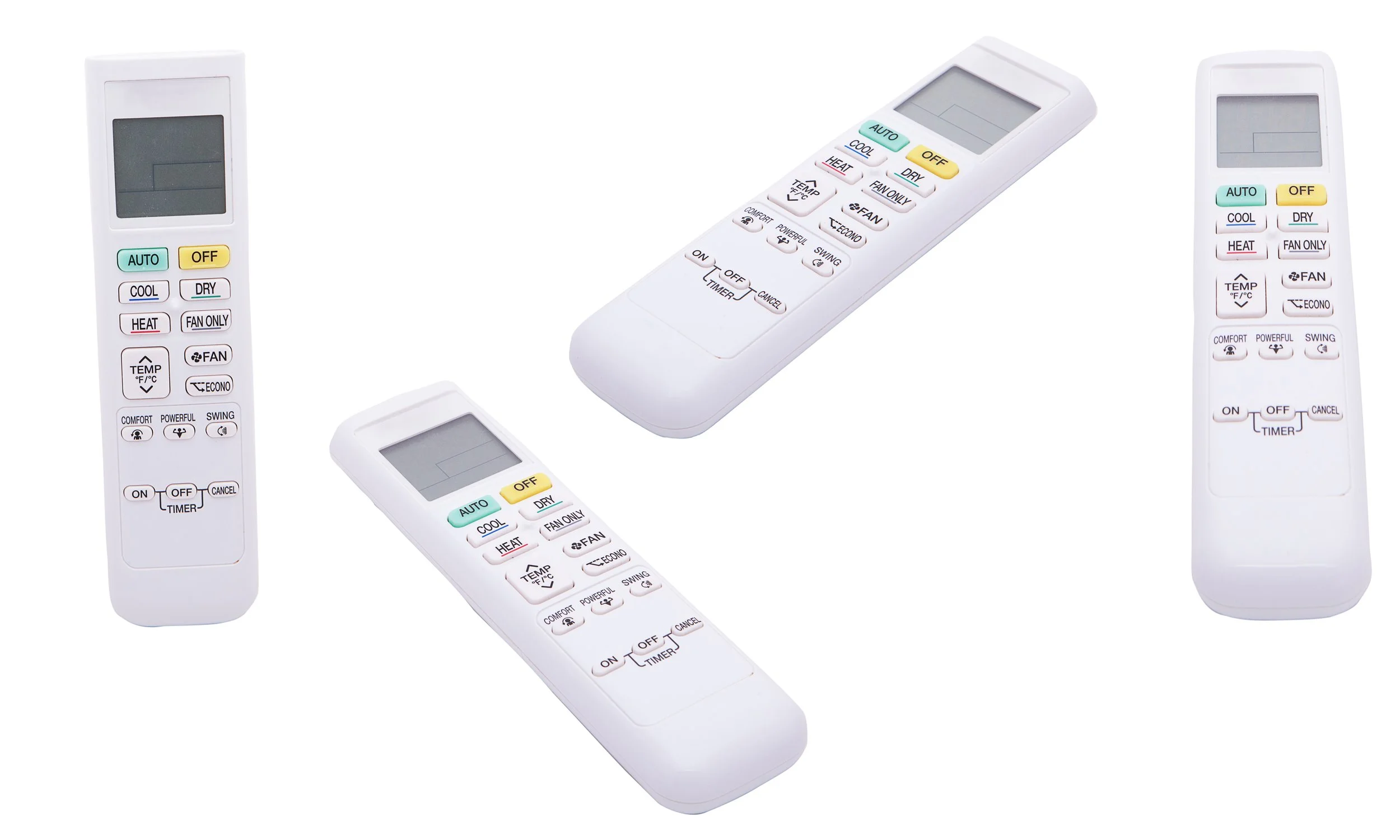
Understanding Aircon Modes: What Do They Mean and When To Use Them?
Modern air conditioners come with multiple operating modes designed to improve comfort, energy efficiency, and air quality. Cool, dry, fan, and auto, each serve different functions and scenarios.
Understanding these modes helps optimize performance, reduce electricity bills, and extend the lifespan of the unit. To achieve the best results, you need to select the appropriate mode based on your environment and needs, especially in Singapore or other regions with high temperature and humidity.
This guide explains the most common AC modes and how to use them effectively.
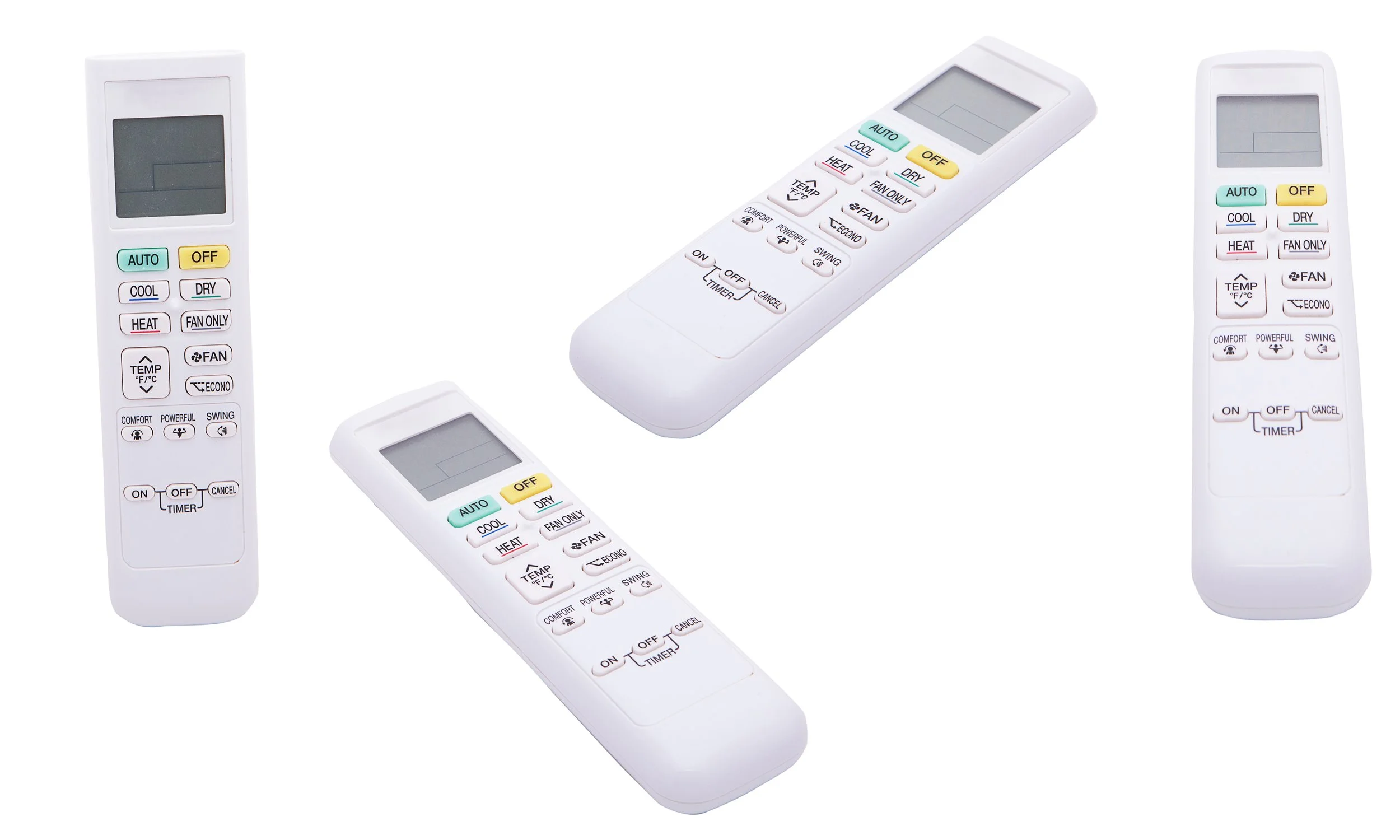
Ever get stuck wondering about the purposes of different aircon modes?
Modern air conditioners come with multiple operating modes designed to improve comfort, energy efficiency, and air quality. Cool, dry, fan, and auto, each serve different functions and scenarios.
Understanding these modes helps optimize performance, reduce electricity bills, and extend the lifespan of the unit. To achieve the best results, you need to select the appropriate mode based on your environment and needs, especially in Singapore or other regions with high temperature and humidity.
This guide explains the most common AC modes and how to use them effectively.
1. Cool Mode ❄️
Cool mode is the most common option, and removes heat from the room and works to cool the air quickly, lowering the temperature to the set level. It is both effective and efficient, but consumes the most energy as it relies on the compressor (high energy consumption) to constantly blow out cool air.
Best use cases:
Hot weather
Want the room to be cold fast
Available On: All Brands
2. Dry Mode (Dehumidifier Mode) ☀️
Dry mode removes excess humidity from the environment without significantly lowering room temperature. Dry mode is a healthy choice, as it helps control indoor moisture levels and improves air quality. This is advisable to prevent mold and mildew.
This mode is a great option for maintaining comfort and health, especially in Singapore’s humid climate or during monsoon seasons. It also offers lower energy consumption.
Best use cases:
High humidity conditions (After rain, at night, etc.)
Comfortable room temperature beforehand
Available On: All Brands
3. Fan Mode 🍃
Fan mode improves air circulation and the best option for energy-saving, as it allows the air conditioner to circulate air without cooling or dehumidifying.
The fan inside the aircon is responsible for moving the air throughout the room, and the compressor does not operate in this mode. Air will be evenly distributed, but temperature and humidity will not change.
Best use cases:
Mild, comfortable weather
Enhance airflow without an actual fan
Available on: All Brands
4. Auto Mode ⚙️
Auto mode allows the air conditioner to automatically switch between cool, fan, or dry modes based on room temperature and settings. This is a smart choice for those seeking convenience and efficiency, intelligently managing your comfort.
Contrary to popular belief, it is more energy-saving than the regular cool mode as it does not put high, continuous pressure on your air conditioner to cool the room constantly.
Best use cases:
Maintaining consistent comfort
Unpredictable weather conditions
Unsure of what mode to use
Available on: All Brands
5. Eco Mode 🌱
Eco mode works similarly to Cool mode, but limits compressor power to reduce electricity usage. This results in slower cooling, but less energy consumption and costs.
Different air conditioner brands have different names for their eco mode.
Best use cases:
Hot weather
Okay with slower cooling
For energy-saving
Available on:
Daikin: Econo
Panasonic: ECO / ECO AI
LG: Energy Ctrl / Active Energy Control
Samsung: ECO Mode
Mitsubishi: ECONO COOL
6. Turbo Mode 🏎️
Turbo mode works similarly to cool mode as well, but maximises cooling power for a quick temperature drop. This mode puts strain on the compressor and has the highest energy consumption, but cools to the room in the least amount of time.
Like Eco mode, different air conditioner brands have different names for this particular mode.
Best use cases:
Very hot weather
Want the room to be cool as fast as possible
Available on:
Daikin: Powerful
Mitsubishi: Power / Hi Power
Panasonic: Powerful
LG: Jet Cool
Samsung: Fast Cool
7. Sleep/ Night Mode 🌙
Sleep mode is designed to provide a comfortable sleeping environment while reducing energy consumption. The air conditioner gradually adjusts the set temperature throughout the night to match the body’s natural cooling cycle, while also lowering fan noise for quieter operation.
This mode is energy-efficient as it avoids overcooling and reduces compressor workload during extended overnight use.
Best use cases:
Sleeping overnight
Reducing electricity usage at night
Sensitivity to cold temperatures
Light sleepers who prefer quieter operation
Available on: All Brands
8. Smart / AI Mode 🤖
Smart (or AI) mode, is a smarter alternative to Auto mode. It uses sensors and built-in algorithms to analyze room conditions, usage patterns, and occupancy to fine-tune temperature, airflow, and mode selection to balance comfort and efficiency without manual adjustment.
This mode optimizes operation instead of running at fixed settings, thus is more energy-efficient.
Best use cases:
Maintaining consistent comfort
Unpredictable weather conditions
Unsure of what mode to use
Available on:
Newer models of Daikin, Panasonic, LG, Samsung, and Mitsubishi Electric.
Conclusion
Understanding air conditioner modes allows you to cool your space more efficiently while reducing energy consumption and improving overall comfort. By selecting the right mode—whether Cool for hot days, Dry for humid conditions, Sleep for nighttime comfort, or Smart and Auto modes for hands-free efficiency—you can maximize performance and extend the lifespan of your air conditioner.
Choosing the correct air conditioner mode based on your environment and usage habits enhances indoor comfort, and helps lower electricity costs, making your air conditioning system smarter, more efficient, and more sustainable.
Have an air conditioner that needs servicing?
AIRCON PURCHASING TIPS

When the temperature rises in Singapore, a decent air conditioner might save your life (and wallet). Paired with high humidity levels, the convenience of having air conditioning at home is critical.
Before purchasing your air conditioning system, do consider the following:
Size/Height of the rooms
The bigger the room and/or the higher the ceiling, a bigger capacity indoor unit is required. Air conditioners are measured in BTUs. For example, 6,000 BTU is needed for a 150 square foot space and 9,000 - 15,000 BTUs for larger spaces. Under powered air conditioners can deteriorate quickly and require repair. BTU matching helps to save money.
Exposure to heat
Larger windows or exposure to direct sunlight will also affect the cooling of the rooms. As such, a higher capacity indoor unit may be required to cool a room of the same size.
Usage of the indoor units
Depending on whether you intend to turn on all the units at once or selected units concurrently, different system configurations (e.g. number and capacity of outdoor condensers as well as indoor units) will be required.
The right system configuration that caters to your usage requirements will help optimize your cooling requirements and reduce any unnecessary upfront costs from the purchase of a higher capacity outdoor unit.
Service Providers
Do not engage a provider based on pricing alone. Engage reliable, trusted and professionally managed service providers with a track record that will be available for any post installation issues that may arise.
We have heard horror stories about service providers with poor workmanship and inferior materials used which resulted in higher costs for the owner due to the need to rectify the problems.
Hidden Costs
Sometimes the price quoted may be attractive on the surface. Look out for potential hidden costs when comparing prices; such as GST, capacity of indoor and outdoor units, materials used, availability of stock, number of trips, etc.
Any Enquiries
Do contact us if you have any questions with regards to the kind of air conditioning system that suits your home or your office. Click the button below for more information and it will direct you to the Contact Us page.